

Learning in public, citing sources, asking better questions.
Jin’s Notes: The Asking Price (Manifesto)
Most people in Toronto feel priced out of housing, regardless of age, income or how “responsible” they’re told they should be. That feeling isn’t irrational. Nearly nine in 10 Toronto residents say housing affordability is a serious concern.12
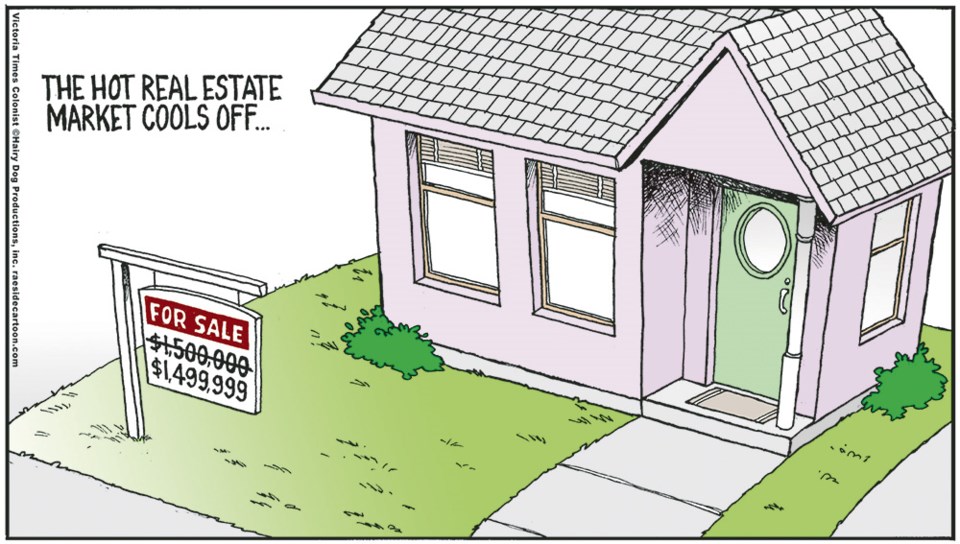
On that same note, according to the Toronto Regional Real Estate Board (TRREB), GTA home sales fell 11.2 per cent in 2025, while the average home price dropped 4.7 per cent to $1,067,968.3 Headlines framed the shift as a sign of increased affordability. Okay…
For renters and first-time buyers, “down” from completely-out-of-reach is still out of reach. A smaller fire is still a fire. And there’s about a hundred overlapping causes behind the fire, all of which is harder to understand when, well, there’s a fire. I’m talking about Toronto’s housing market.
I’m Jin, admin and marketing/comms liaison at Area Realty Inc. Brokerage. I’m also a renter, priced out, and learning the industry from the inside while trying to understand what these numbers mean beyond reports and press releases.
One thing I’ve quickly learned is that the more I understand about housing, the less settled I feel. It’s overwhelming, especially when splitting attention between work, rent, saving, school, family, health, and the general project of staying afloat (like everyone else). In that headspace, sorting through one-size-fits-all advice and information scattered across the internet is a hard sell. You should not have to become a part-time policy analyst just to understand why your rent went up.
That’s where this blog comes in.
It’s for renters, first-time buyers, and anyone trying to make sense of a system that feels both overhauled and strangely under-explained.
Before real estate, I studied political science and philosophy, then moved into journalism. That combination tends to send me down rabbit holes (professionally and otherwise), tracing claims back to their sources, and getting comfortable with not being able to know everything.
I’m painfully familiar.
Mostly, though, all three disciplines share one intended outcome in particular: an acute awareness of the sheer amount of angles any single issue has. It’s left me knowing I’ll never be able to capture the full story, let alone know it. And yet I want to go three layers deeper anyway.
Housing is no exception. Rather than pretend there’s a single answer or a grand theory that explains everything, my approach here is to make the systems, incentives, and trade-offs underneath more visible.
What you can expect (and what you shouldn’t)
Context: Clear breakdowns of market data, policy changes, and industry language. TRREB releases, government announcements, and numbers that look different when you stack these variables together.
Practical translation: Explainers and checklists focused on what certain decisions can mean in practice and clarity around options people are often left to piece together on their own.
Proximity: Information I happen to be close to because real estate is part of my day job; the kinds of details that are useful, specific, and rarely centralized in one place.
A few things to be clear about:
If you’re renting, this is about understanding the forces shaping your present—why costs rise, why supply tightens, why certain promises never materialize. If you’re thinking about buying one day, it’s about understanding the long game early, without being rushed into decisions you don’t yet need to make.
This blog is not a lead-generation tool, and it isn’t a channel to solicit buyers or sellers.
Nothing here is financial advice. Any discussion of mortgages, investments or major decisions will be grounded in sourced information or expert perspectives, with the expectation that you consult a qualified professional before making real-life moves. The goal is not to push you toward a purchase or a move.
The goal is to demystify homeownership through accessible, approachable information.
Of course I’d like to own a home one day. Right now I’m more focused on not opening my banking app before bed than bidding on a semi. But working in this environment, hearing policies, market shifts, and real client stories explained as part of an ordinary workday, has made me realize that most of this information lives just out of reach for the people it could really benefit.
Having it at arm’s length has changed how I think about my own future. This blog is an attempt to extend that arm a little. Not as an expert, but as someone willing to do the digging, show the work, and learn from my little failures along the way.
If you’re also trying to understand what housing could (and should) look like for you, you’re in the right place!
- https://www.ipsos.com/en-ca/toronto-residents-concerned-about-housing-affordability-and-municipal-tax-burden ↩︎
- https://www.ipsos.com/en-ca/majority-89-torontonians-say-next-mayor-toronto-needs-make-housing-affordability-top-priority ↩︎
- https://trreb.ca/2025-ends-with-more-affordable-market-and-paves-the-way-for-year-of-recovery/ ↩︎






Join The Discussion